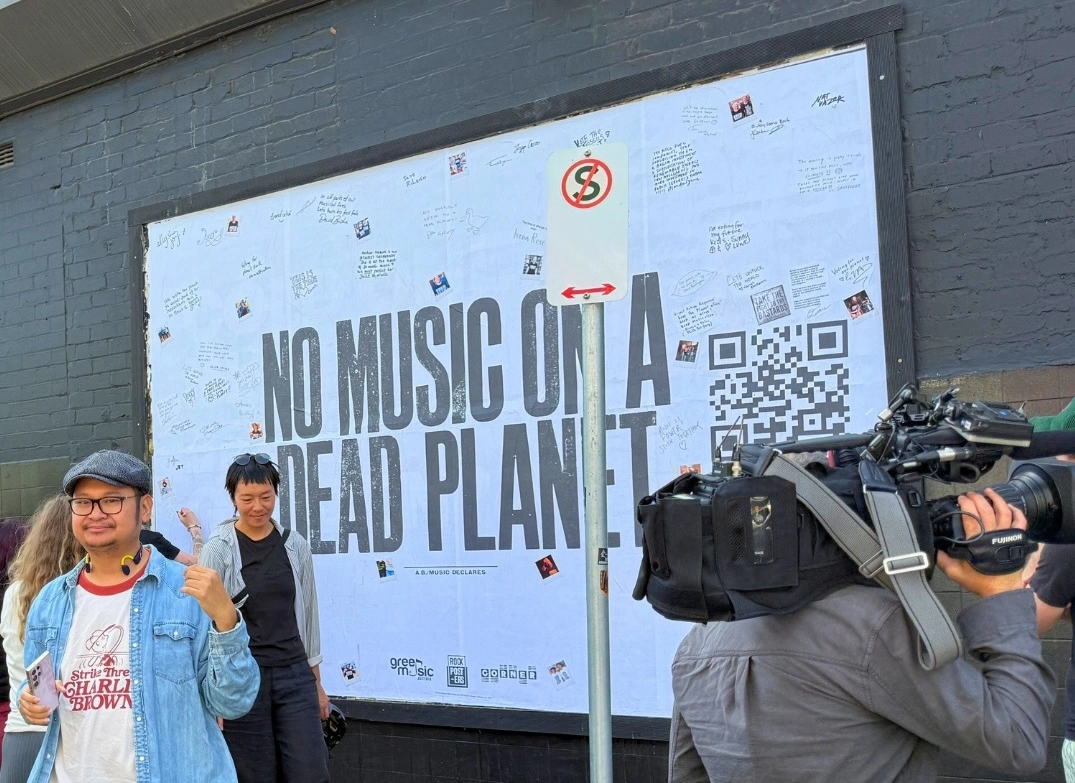
Long before social feeds, hashtags, or paid media, posters were the backbone of grassroots communication. They were fast, visible, affordable, and impossible to ignore.
In Australia, poster campaigns have played a quiet but decisive role in shaping social change, cultural identity, and collective action.
Posters in Political Activism
Anti-War Posters (Vietnam Era, 1960s–70s)
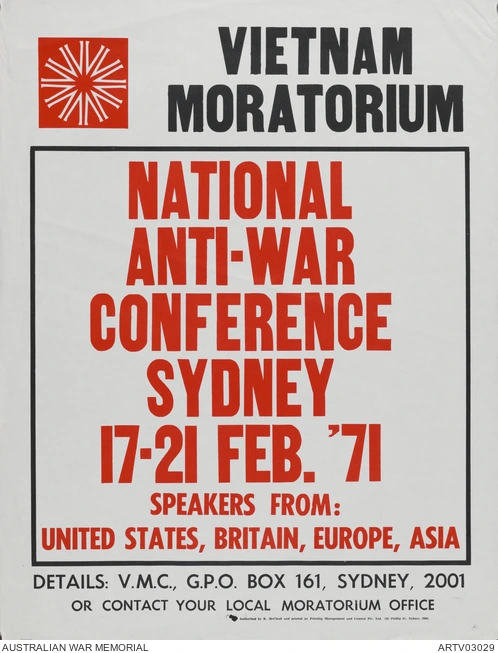
Few moments demonstrate the mobilising power of posters as clearly as Australia’s Vietnam War protests. During the late 1960s and early 1970s, anti-war posters were central to the Vietnam Moratorium movement, which culminated in some of the largest demonstrations in Australian history.
Posters for the Moratorium were deliberately bold and legible, designed to be read at street distance. Dates, locations, and demands were stripped back to essentials. These posters aimed to assemble people physically in public spaces, playing a major role in the movement’s impact and organisation.
The result was mass participation. In May 1970, hundreds of thousands of Australians marched across capital cities and regional centres, marking a turning point in how protest was expressed nationally.
Aboriginal Land Rights & Anti-Racism Campaigns (1970s–80s)
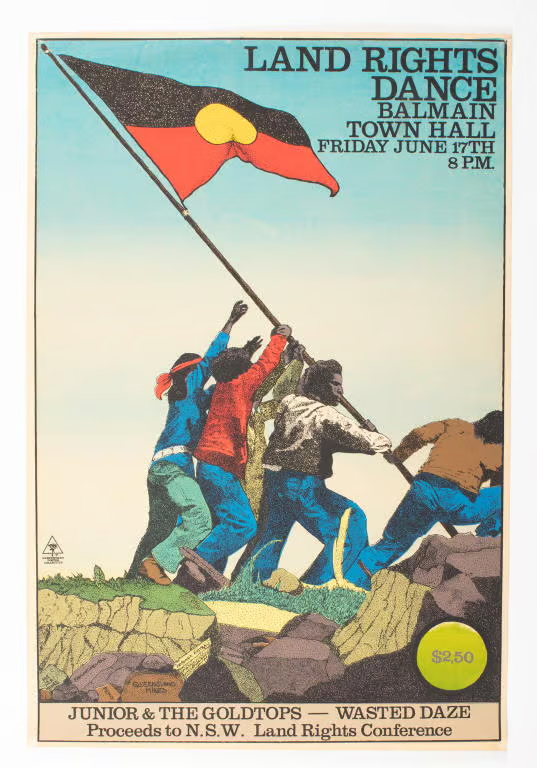
Poster campaigns were also instrumental in Australia’s modern land rights movement. From the Wave Hill Walk-Off through to the establishment of the Aboriginal Tent Embassy, posters helped transform localised struggles into national conversations.
During the Gurindji people’s fight for land rights, posters circulated through universities, union halls, and city streets to raise funds, build solidarity, and communicate demands to a broader audience. They translated a remote industrial dispute into a moral issue that urban Australians could engage with.
The Tent Embassy, established in 1972, further embedded posters as symbols of ongoing resistance. Slogans, graphics, and recurring motifs became identifiers of the movement itself.
By the time of the 1988 Bicentenary protests, poster culture had matured into a sophisticated visual language of resistance. Walls, placards, and pasted surfaces formed a moving archive of voices that refused to be excluded from the national narrative.
Climate Activism (2000s–Present)
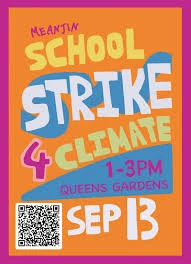
Australia’s contemporary climate movement demonstrates how physical posters and placards remain vital even when campaigns are coordinated online. The School Strike 4 Climate movement relied heavily on hand-made signs and posters to give visual unity to decentralised, youth-led action across the country.
Each sign was individual, but together they formed a coherent message: urgency, science, and intergenerational responsibility. Posters became the physical manifestation of a movement often dismissed as “online only.”
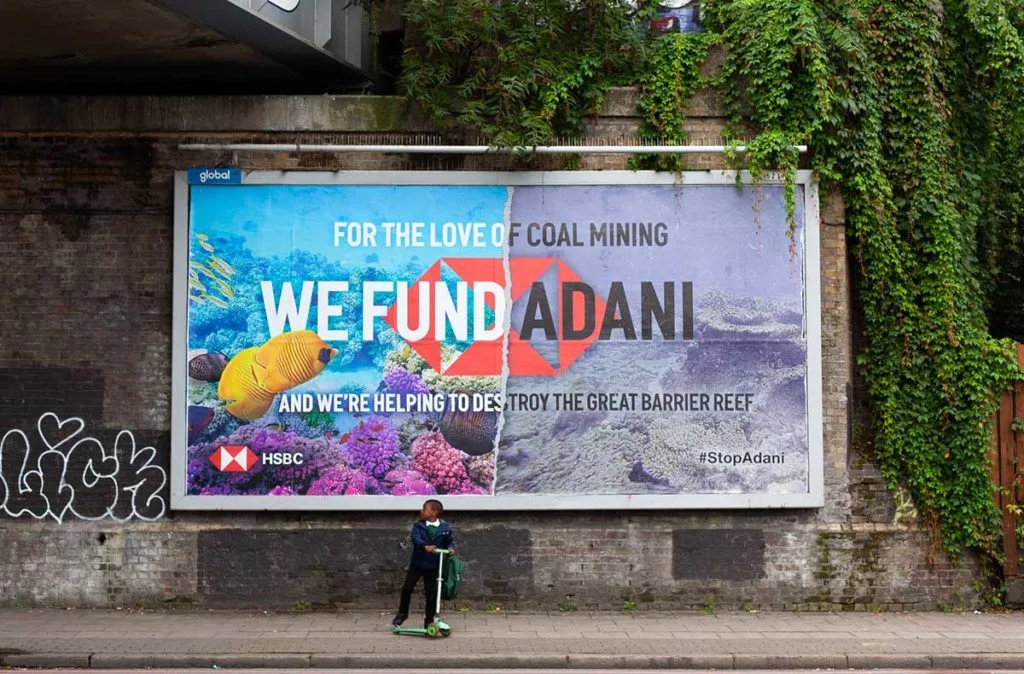
Similarly, the Stop Adani campaign used posters, stickers, and strike signage to sustain momentum over the years. Local groups replicated shared visual assets, creating consistency across regions while allowing for grassroots adaptation. Museums and archives have since collected these materials, recognising them as artefacts of contemporary political life.
Music & Subculture Scenes
Punk Movement Posters (1970s–80s, UK & USA)
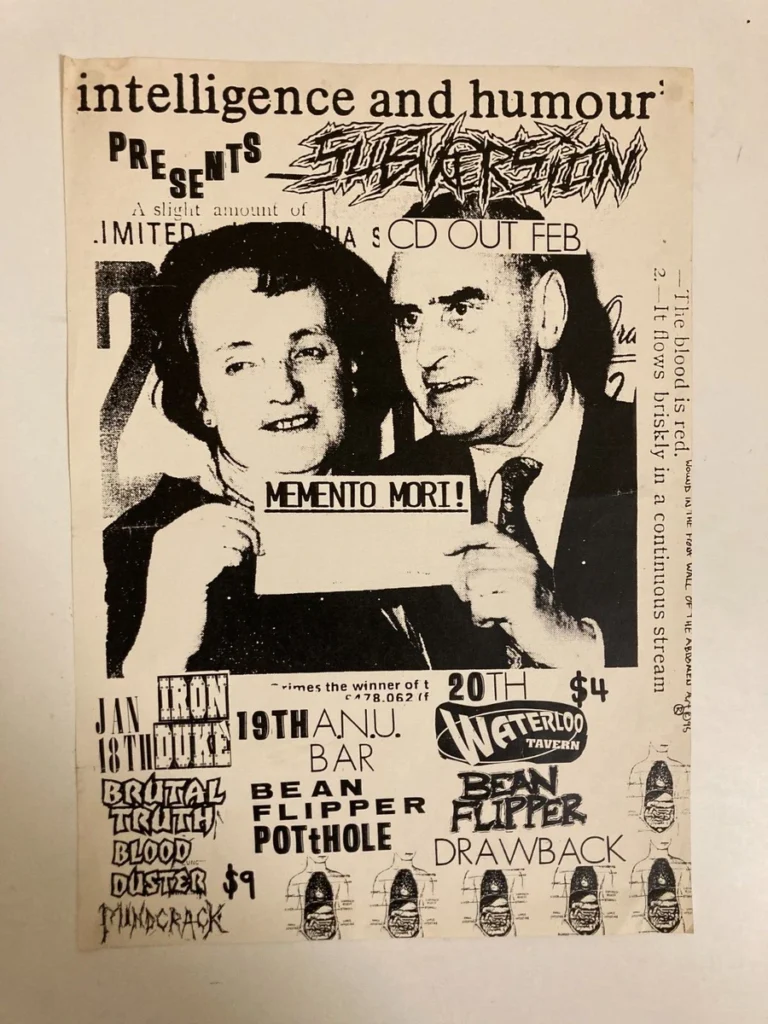
Punk posters weren’t polished, and that was the point. Borrowing from UK and US punk aesthetics, Australian punk scenes embraced DIY print culture as a form of rebellion.
Photocopied gig flyers, rough typography, and cut-and-paste layouts communicated urgency and authenticity.
In Australia, these posters circulated through record stores, street poles, and venue walls, creating informal networks long before digital platforms existed. Today, many of these posters are preserved by cultural institutions, acknowledging their role in documenting underground music history.
Festival Posters (Ongoing)
Festival posters occupy a distinct space in poster culture. They are mass-distributed by necessity, yet deeply nostalgic in effect.
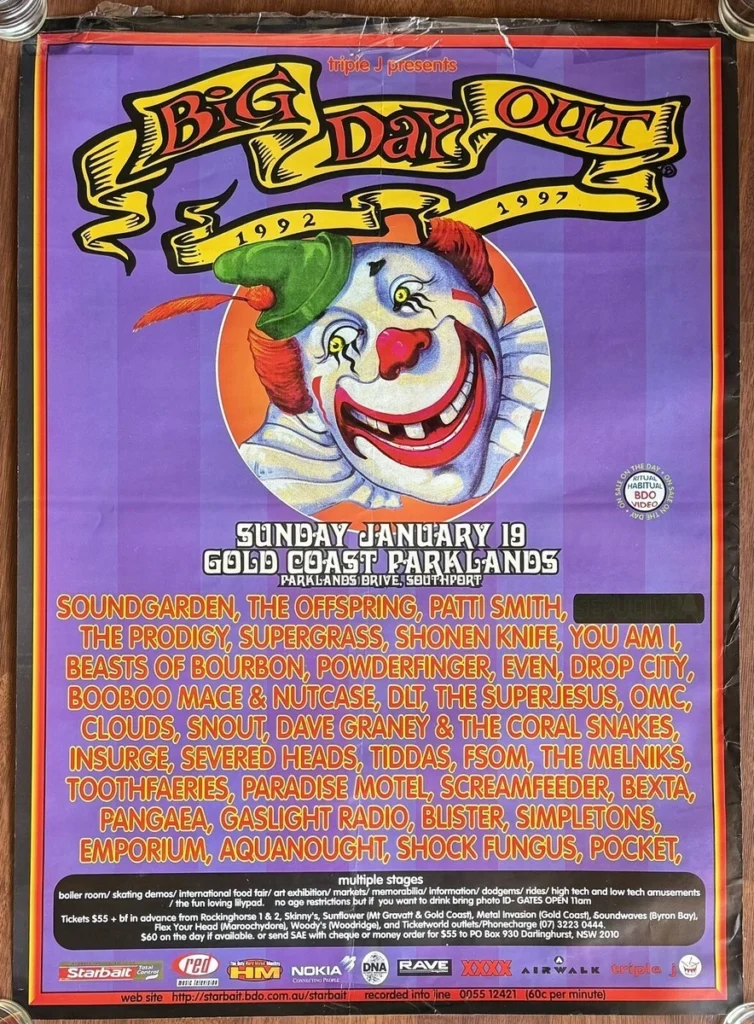
Early Australian festival posters, particularly for Big Day Out, became visual shorthand for a generation of music fans. Line-ups, typography, and illustration styles captured the mood of youth culture at the time. Long after the stages were packed down, those posters remained pinned to bedroom walls, rehearsal rooms, and share houses as cultural souvenirs.
Contemporary festivals continue this tradition, even as distribution shifts across digital channels. Events like Wildlands and Spilt Milk still invest heavily in poster-led visual identity. Their designs often lean into bold colour palettes, playful illustration, and highly recognisable type, creating assets that translate seamlessly from physical posters to social media, merch, and stage branding.

Melbourne Gig Poster Culture (Ongoing)
Few cities demonstrate the enduring power of gig posters like Melbourne.
Libraries and archives now actively collect Melbourne gig posters, recognising them as records of local creative life. Each poster documents a moment: a band, a venue, a night that existed briefly and then disappeared.
Even in a social-first era, physical gig posters persist because they offer credibility, locality, and permanence in an otherwise fleeting digital ecosystem.
Local Community Causes
Green Bans (1970s)
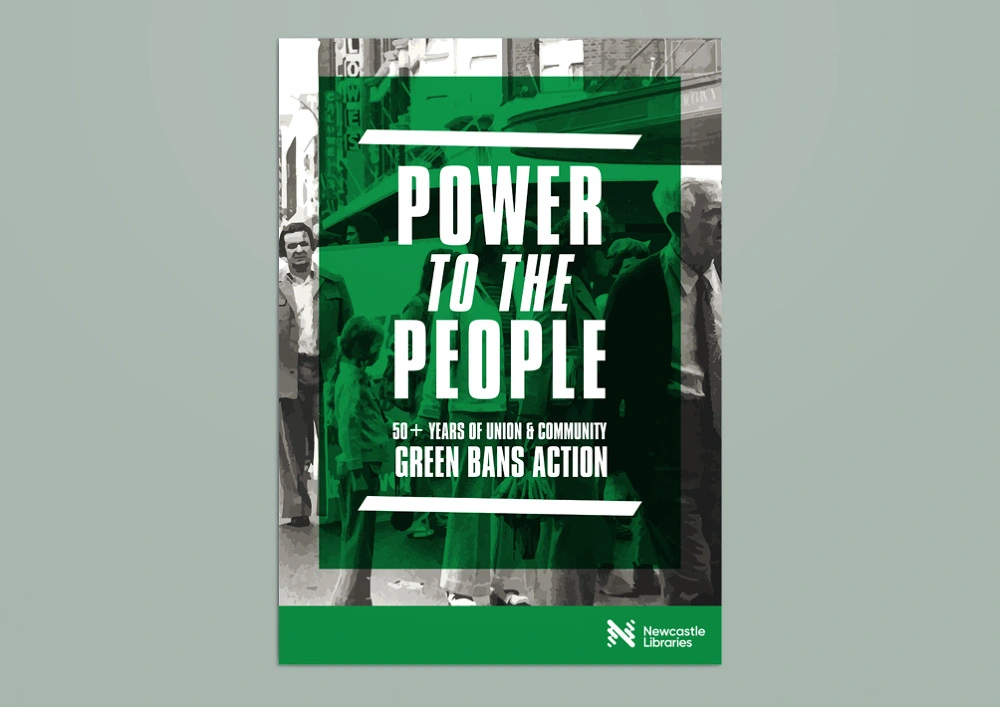
The Green Bans movement, led by the NSW Builders Labourers Federation in the early 1970s, offers a powerful example of posters as tools of collective organisation.
Posters were used to inform communities about proposed developments, rally public support, and communicate union decisions. They helped align residents, workers, and activists around shared environmental and social goals.
The legacy of the Green Bans can still be seen in protected heritage sites and planning conversations today. Posters were essential in turning abstract policy debates into tangible, local action.
Local Fundraisers & Social Causes
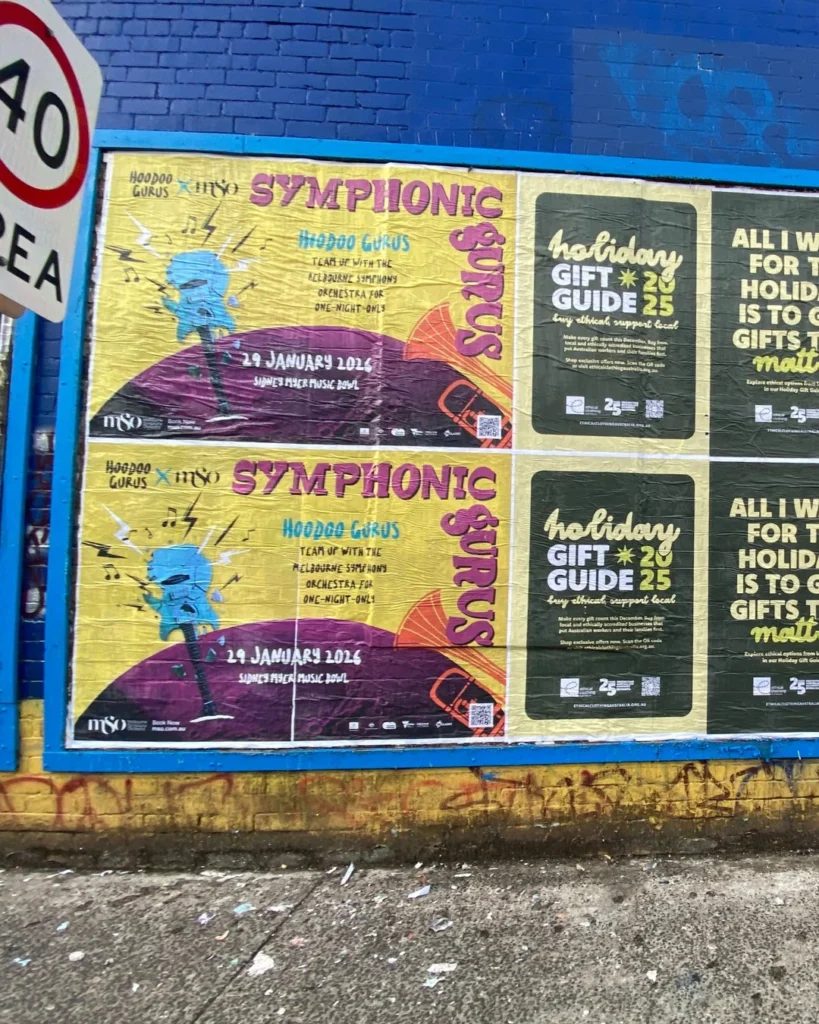
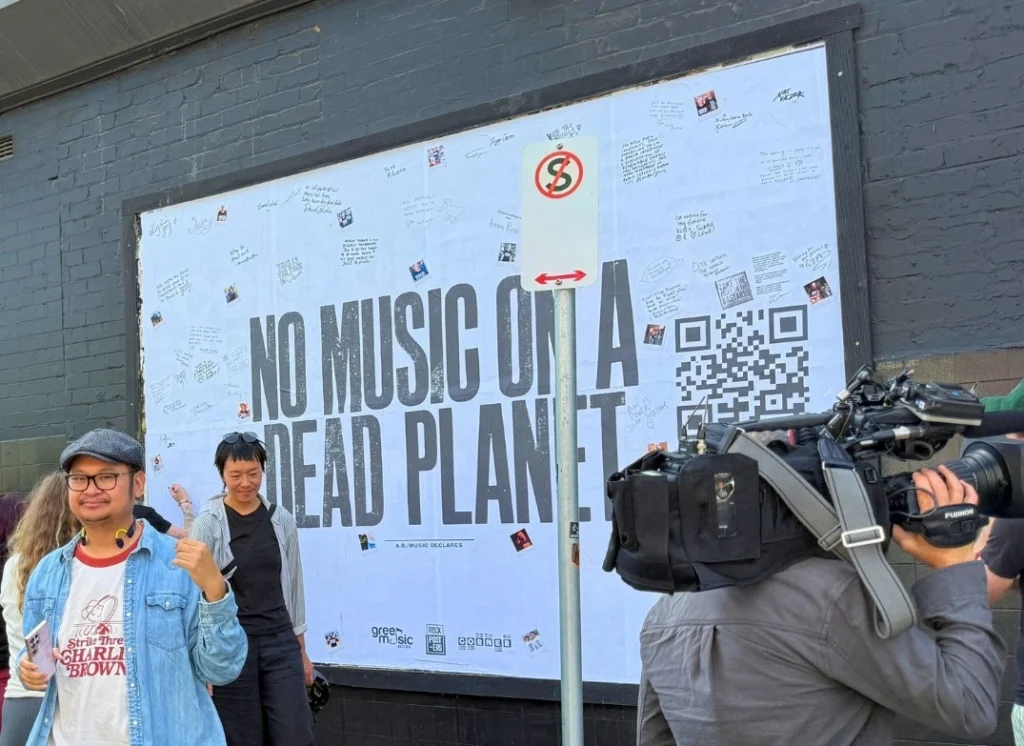
Annual appeals, benefit gigs, and local causes often use posters because they are immediate and inclusive.
Campaigns like Melbourne’s Good Friday Appeal demonstrate how recurring poster campaigns become part of civic tradition. Each year’s poster reinforces continuity, trust, and shared responsibility, turning visibility into sustained community support.
At a local level, posters for charity gigs and fundraisers continue to convert attention into attendance, especially where trust and familiarity matter more than reach.
Public Health Campaigns (1980s–Present)
Public health campaigns have arguably mastered poster communication. Australia’s Slip! Slop! Slap! campaign is a textbook example of how repeated, simple messaging delivered through posters can change behaviour at scale.
Similarly, campaigns like Life. Be in it. reframed exercise and wellbeing as accessible, everyday activities. Posters played a crucial role in reinforcing these messages in schools, workplaces, and public spaces.
During the HIV/AIDS crisis, posters were essential for rapid education and harm reduction. Clear visuals and direct language enabled information to circulate quickly, even amid widespread stigma and misinformation.

Posters as Cultural Infrastructure
Across protest movements, music scenes, community causes, and public health campaigns, posters have consistently done the same three things:
They mobilise people, turning belief into action.
They create visual unity, giving movements a recognisable identity.
They become records, preserving moments that might otherwise disappear.
For brands, artists, activists, and communities alike, posters remain one of the most effective ways to claim space, communicate urgency, and leave a mark. At Rock Posters, when movements need to be seen, remembered, and acted upon, our team help facilitate it. Contact our local Sydney or Melbourne teams today to discuss your next poster campaign.

Author: Paul D. Frehley
Rock Writer (Paul D. Frehley) is the editorial voice of Rock Posters, Australia’s independent out-of-home media network with printing facilities in Sydney and Melbourne. Since 1986, we’ve helped brands, events, and cultural institutions — including the National Gallery of Victoria, the Sydney Film Festival, and the Australian Museum — show up where their audiences already are. We cover campaign strategy, creative execution, and the thinking behind effective street-level and large-format advertising. As an award-winning sustainability leader, we’re also committed to making outdoor advertising better for the communities and environments where we work.