How To Design An Unmissable Street Poster
Street posters are read at speed, at distance, and usually side on. That single constraint drives every decision that follows: how many words you can use, how large the type has to be, and how much you have to cut before the thing works.
We asked creative directors who have made work for this medium to write down how they approach it.
Luke Stewart
Artwork & Production Manager
Rock Posters

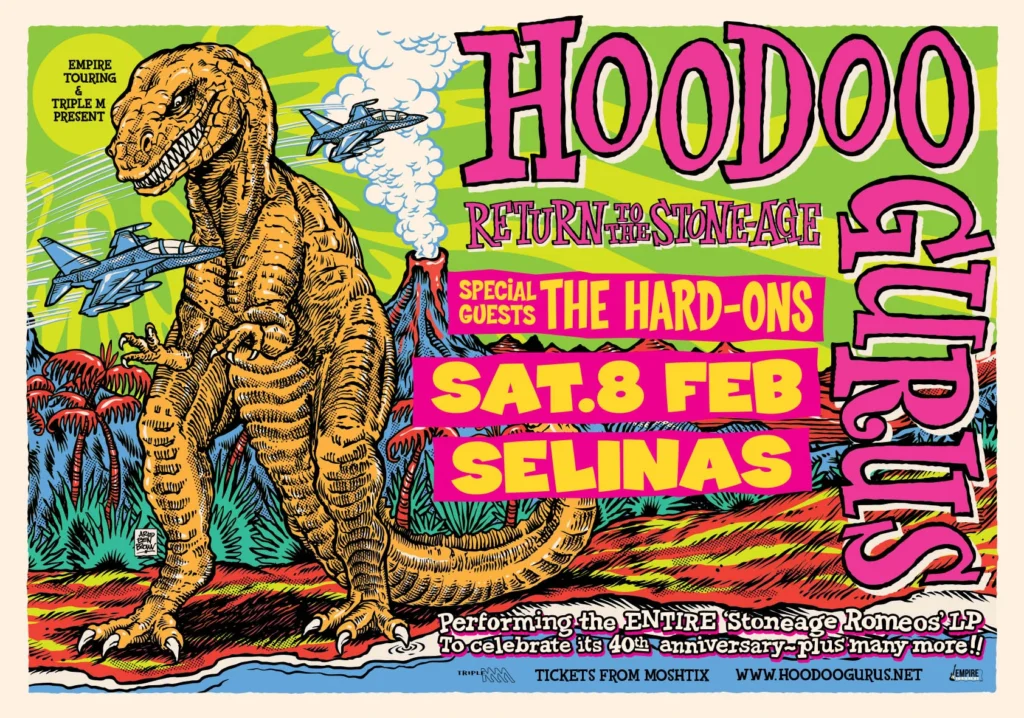
Hoodoo Gurus. A Ben Brown design. Not many people make art like this for the streets anymore. You only have to look at it to see why it works.
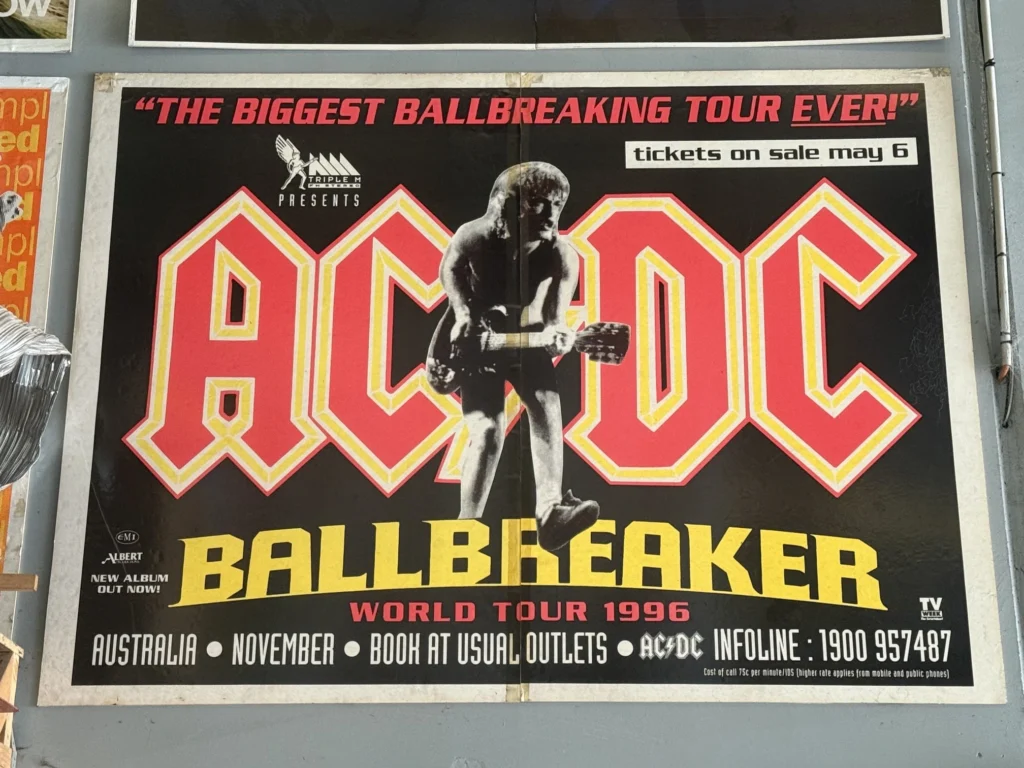
AC/DC, Ballbreaker tour. Three colours: black and two fluoros. Hard to miss that giant logo and Angus up on a wall.
I’ve been printing street posters for 27 years. About 10,000 come off our presses every week, so I see where a design falls over long before it hits a wall.
Bold will hold.
There’s a saying among traditional tattooers, “bold will hold”, and I take the same principle to street posters. Bold imagery, great contrasting colours, and the thing looks amazing out on the streets. Design for social the same way if you like, but there’s one difference worth remembering: nobody drives past a phone. If it’s in someone’s hand, you can load it up with detail. On a wall, you can’t.
Who, where, when. That’s pretty much all you need.
The most common mistake designers make is putting too much information on a poster. The other one we see far too often is artwork built in RGB instead of CMYK. I put that down to the design apps that let you lay a poster out without ever learning how to set it up for print.
Street posters are for the streets.
The ones that survive those couple of seconds are the big, bold ones with great contrast, or the ones that get properly creative with their imagery. The design should reflect where it’s going. Even if you’re selling a brand or a product, think about the wall it’s going to live on.
I’d screen print everything if I could.
It gives a poster character and style, and you can spot one from a mile away. It makes you creative in a different way too. If you want to keep the cost down, you’ve got to build the whole thing out of two colours, which forces you to work out how to get everything you can from the ones you choose. It’s always interesting to see what people come up with.
That’s why so many people still collect the band posters from back in the day. The ink stands the test of time, and the designs were hand-drawn, big and bold, lots of halftones, two or three colours. I love it. I hope more people choose to screen print their street posters.
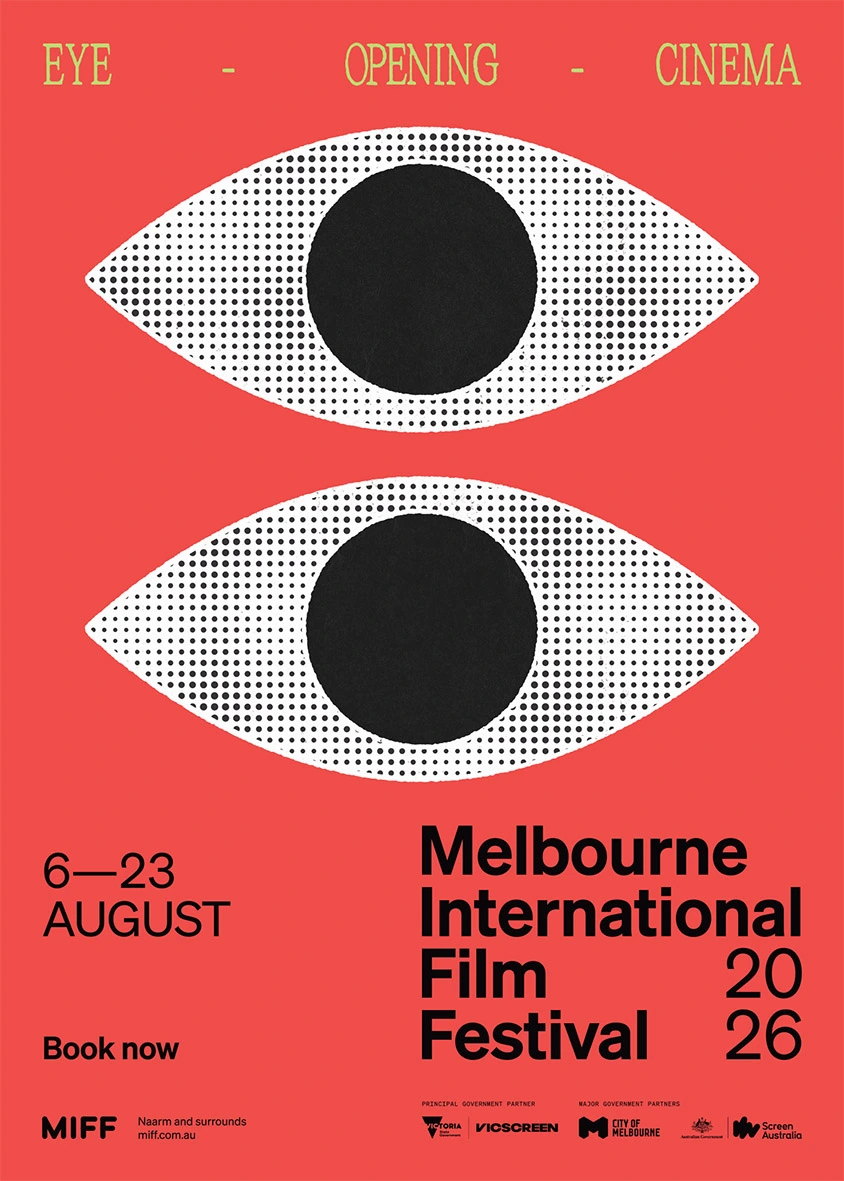
Melbourne International Film Festival 2026. Three colours. Not screen printed, but it has the look: simple contrast and some halftones. Great on the walls around Melbourne.
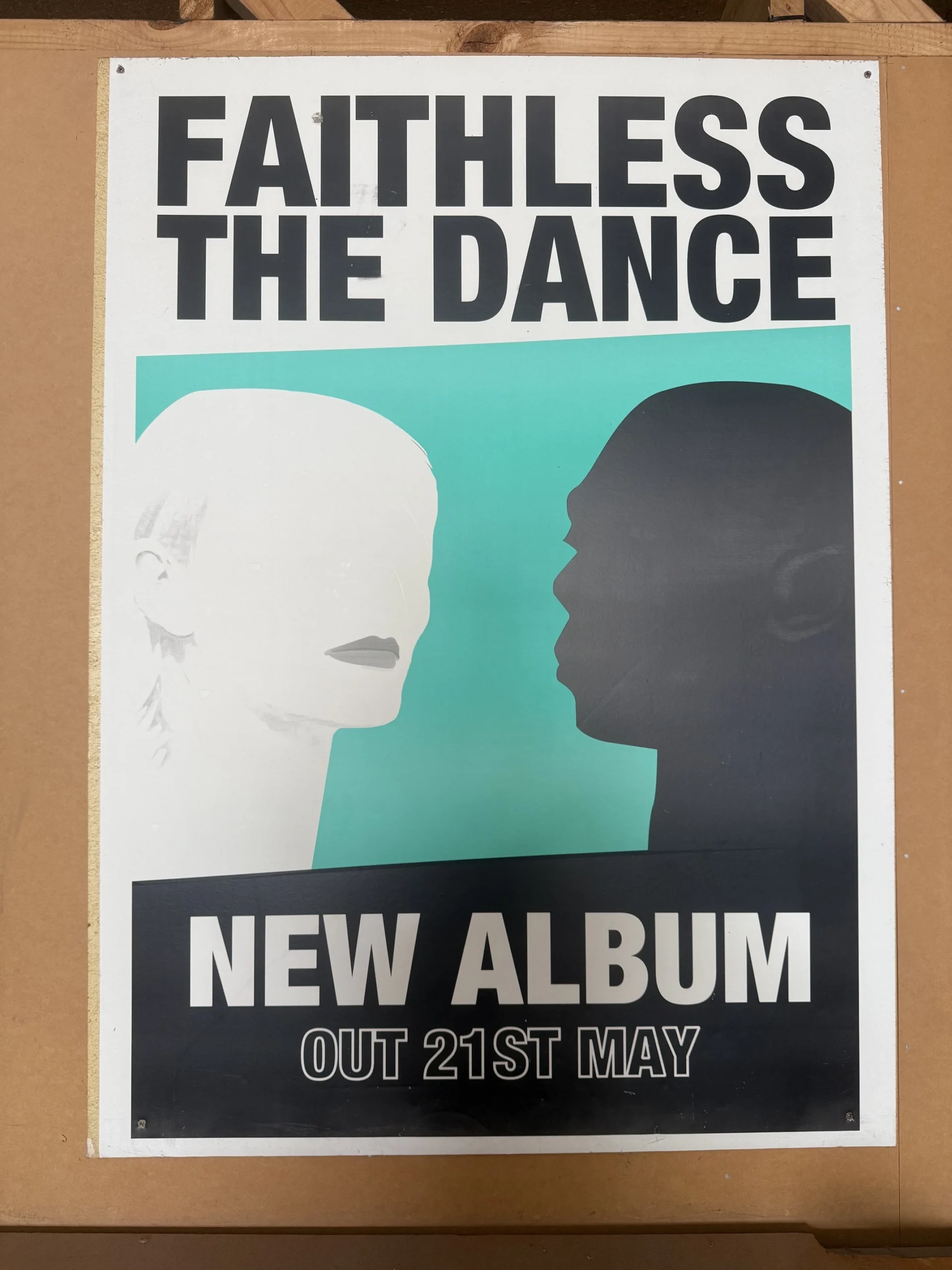
Faithless. Two colours, fluoro teal and black. Creative use of a tight palette and smart with negative space.
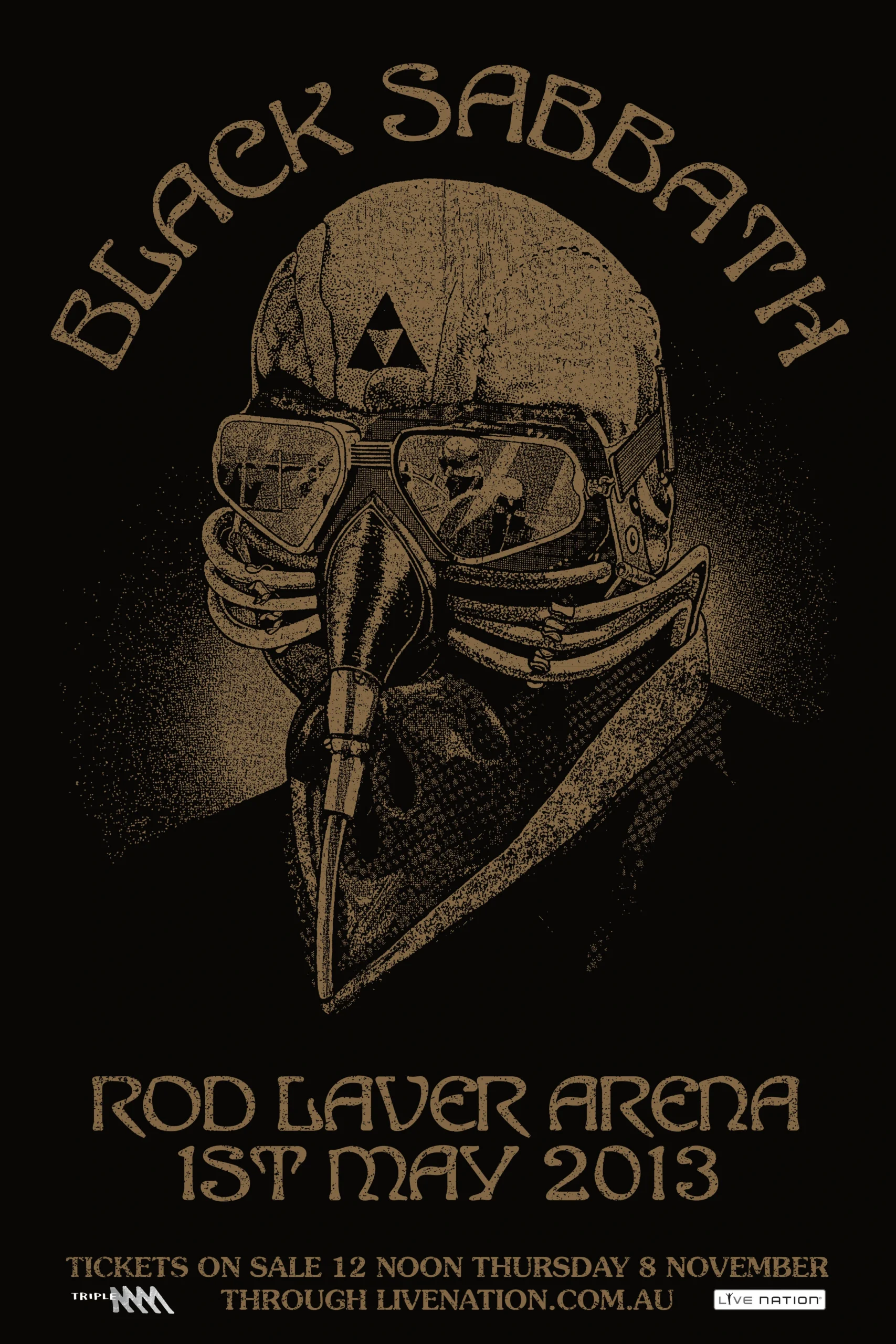
Black Sabbath, 2013 tour. Metallic gold and black. I might be biased because they’re probably my favourite band of all time, but the aviator is a fantastic image.
Ben Brown
Illustrator and poster artist
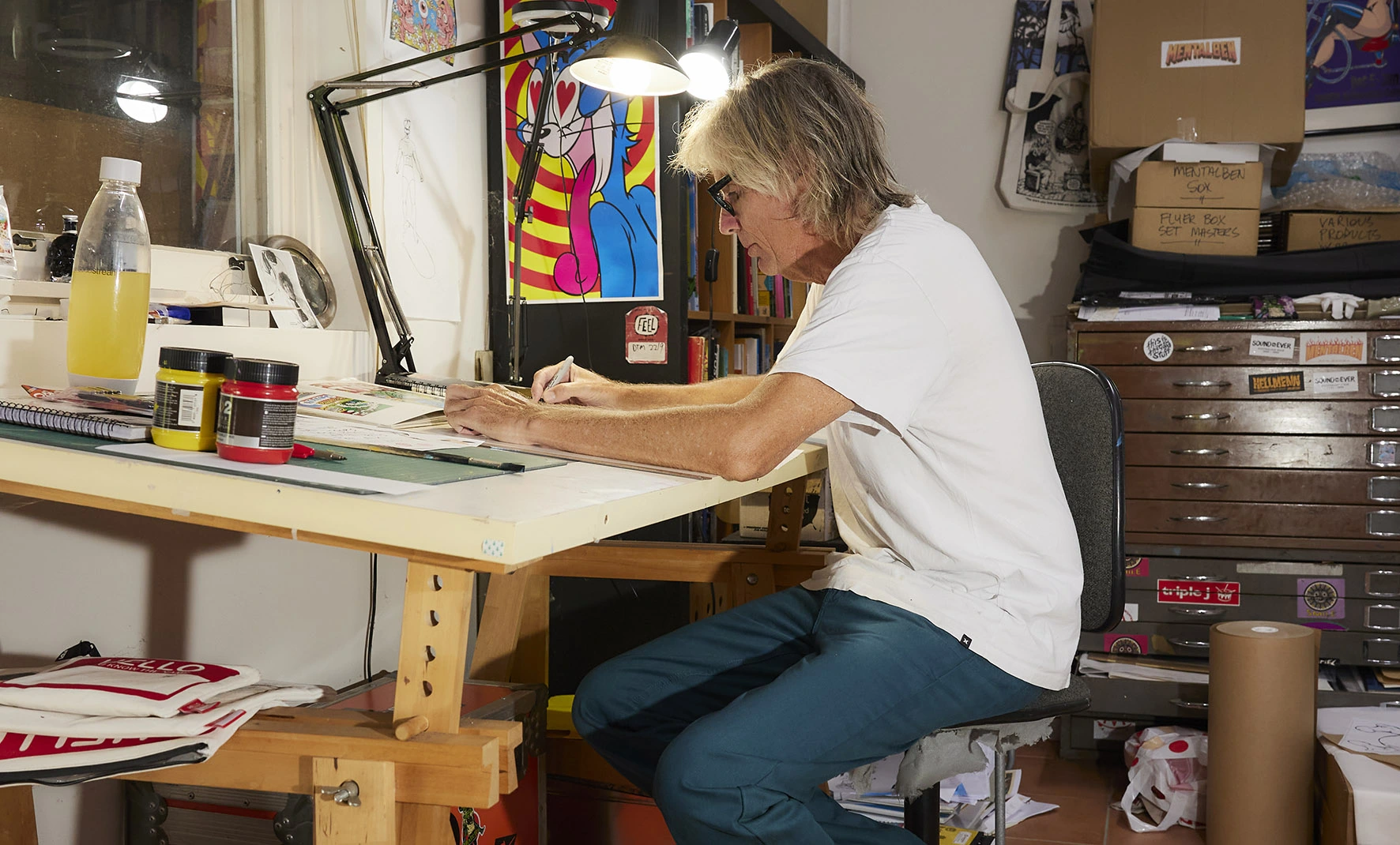
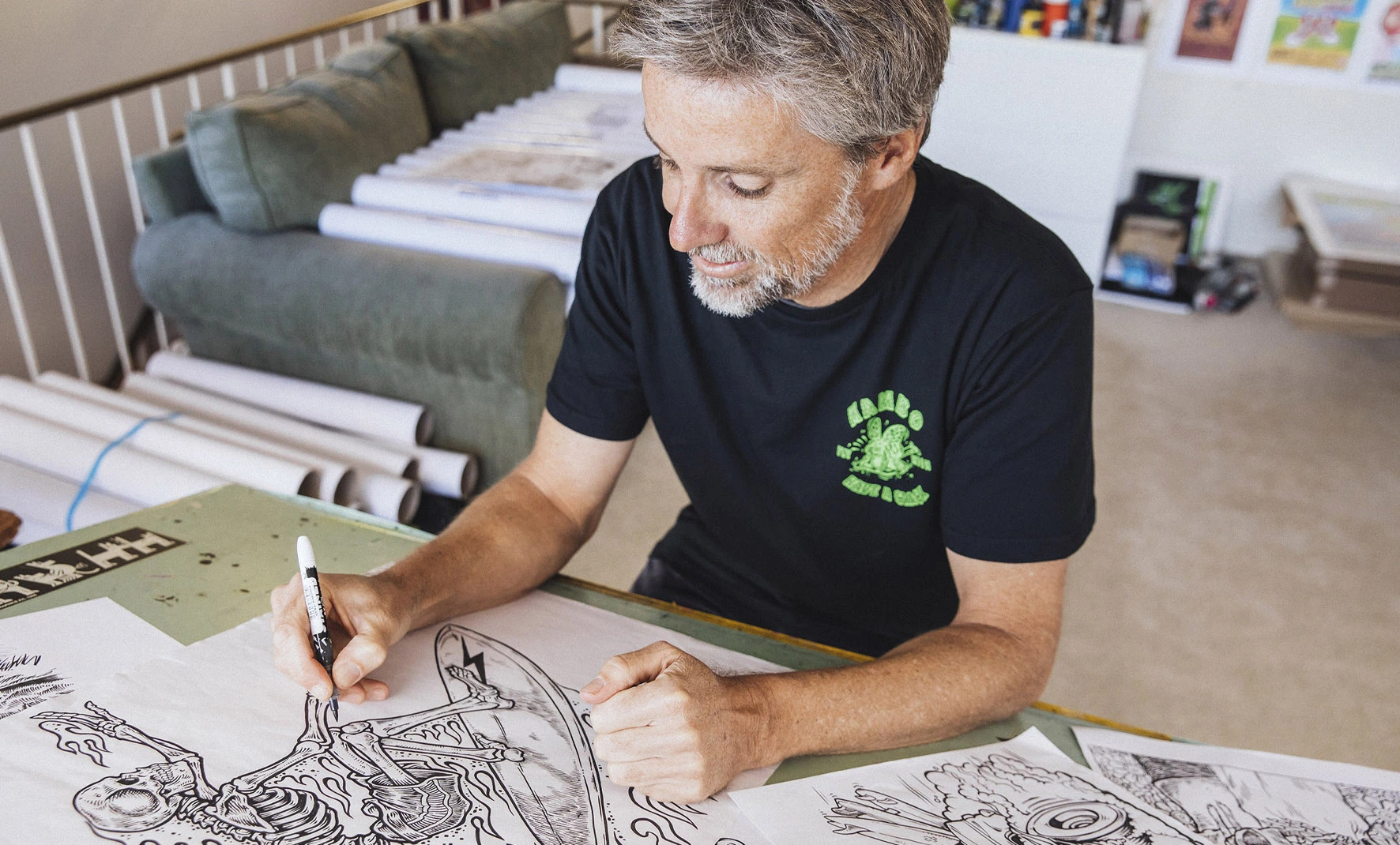
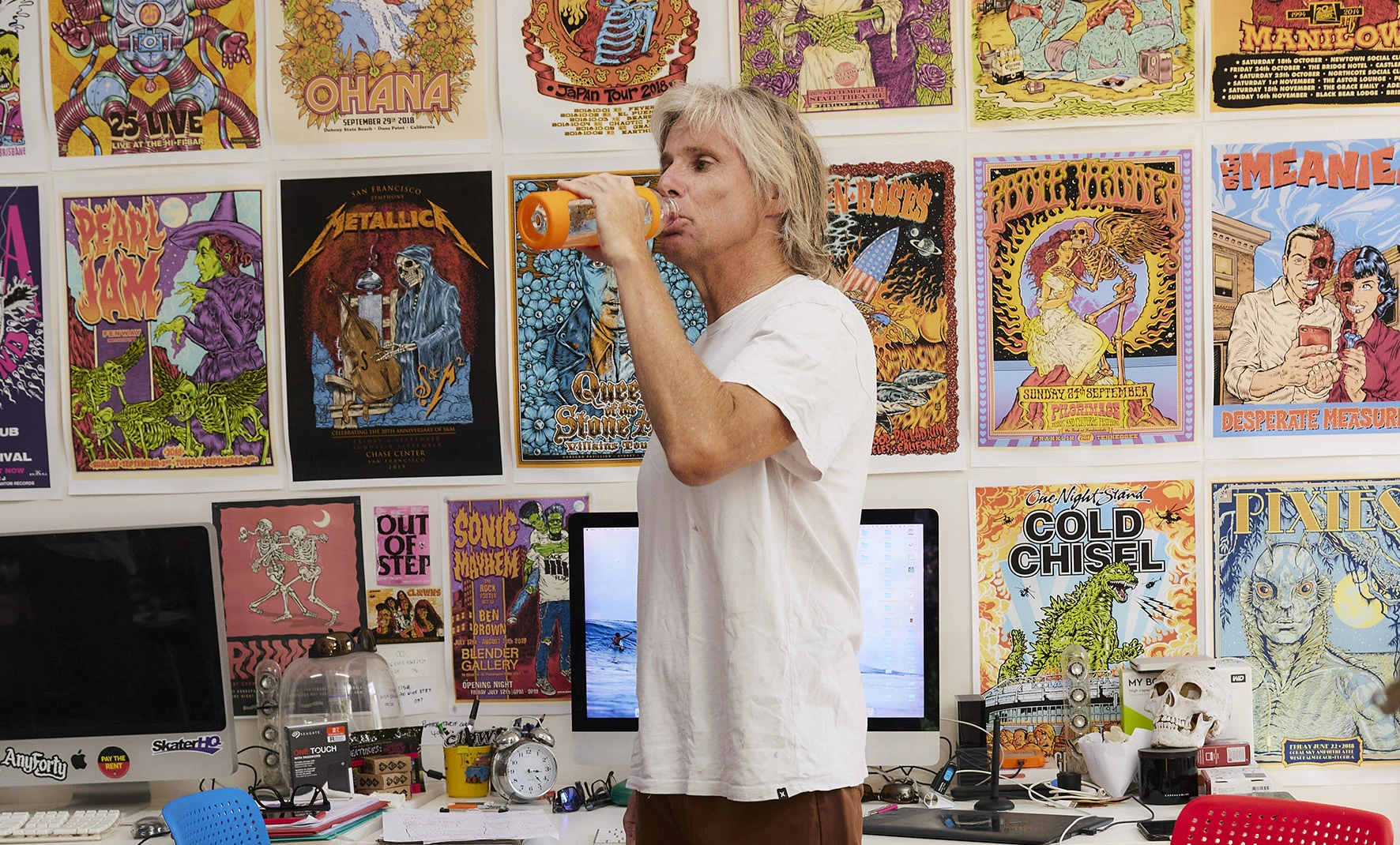
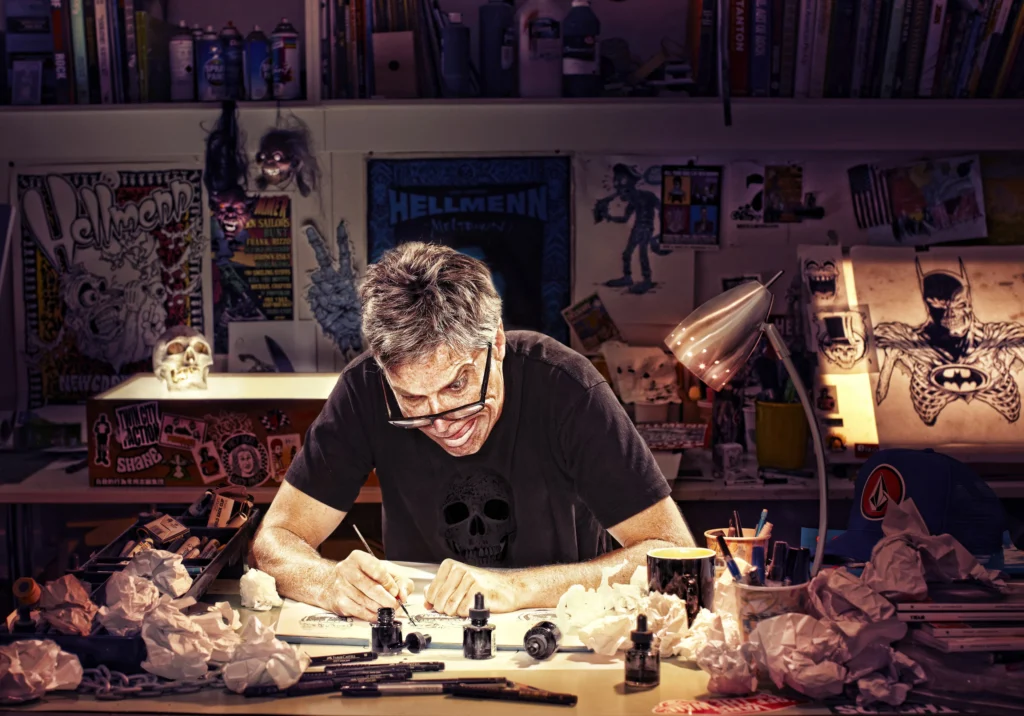
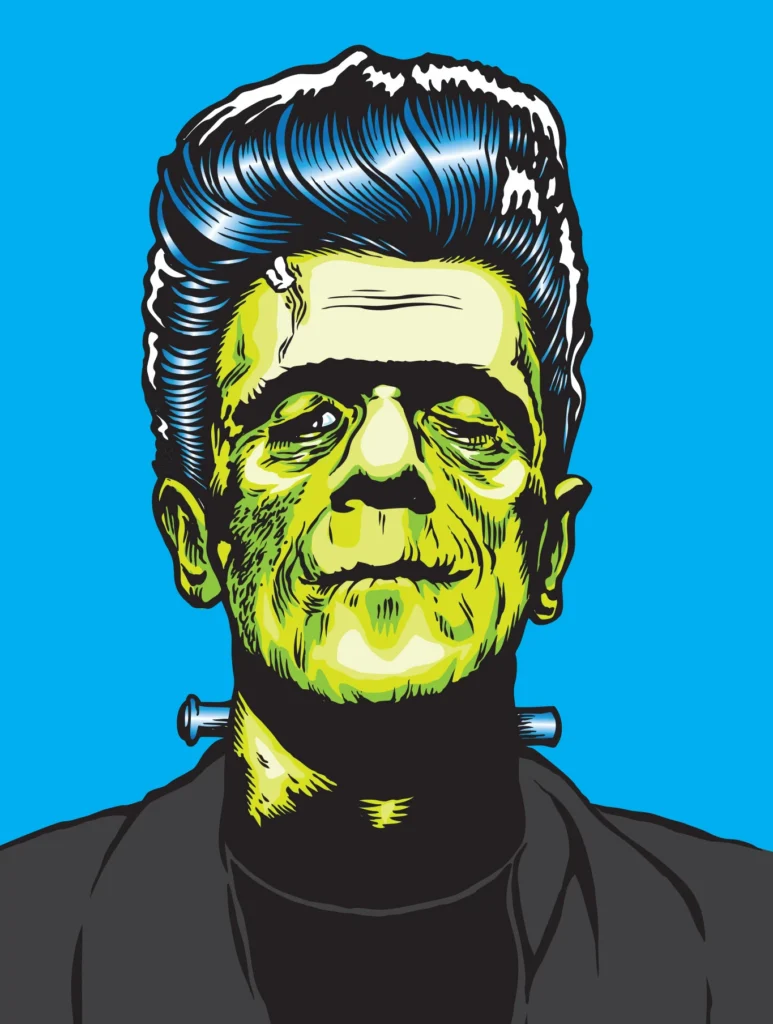
Ben Brown learned posters from the inside. He left school and took work in the art departments of screen printers around Brookvale, riding up from Manly in a pre-digital world where most of the job was bicentenary merchandise. The bromide cameras were the real draw, and he used them after hours to make rock posters and merch. He calls it his apprenticeship.
So he understood what the process could physically do before he had a style. The style came out of the constraint rather than being imposed on it, and it stuck. He puts his line work down to growing up around screen printing and a long love of thick black lines. He works digitally now and still makes the artwork look like it was printed twenty years ago.
The briefs have changed around him. Promoters used to ask him to tone the art down, on the grounds that a poster was about the band and not the artwork. He sums up where it landed:
“These days it’s about making a cool poster.”
His work includes tour posters for Nirvana, Mudhoney, Sonic Youth and Silverchair, as well as merch posters for Pearl Jam, Blink-182 and the Pixies. None of it carries an underlying message. There’s no code to crack in a zombified Elvis. The image does one job; it does it loudly, and it does it in the two seconds you have.
One idea drawn with conviction beats three ideas negotiated into a compromise.
See more of Ben’s work at benbrown.com.au
Emma Robbins
Executive Creative Director

Your biggest creative hint is in the name.
The design must rock!
As a medium that traditionally promoted rock bands, this is no place for brands to masquerade as cool. The words must rock. The whole thing must rock people’s worlds, and in a very short space of time. If you’ve got a sliced cheese client or a 99% fat-free yogurt wanting to be in this space, think of them as a band. A coke-sniffing, stage-diving, heavily tatted cheese. That’ll get you into the right zone.
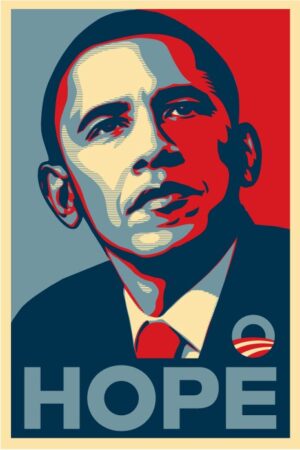
The best example for me of this is the Obama Hope poster. Could have been a ScoMo ho-hum style “Jobs and Growth” style headline with an image of a battling worker smiling at the camera with some big FedGov logos and website link, but no. Shepard Fairey looked at Barack as a rockstar and said one thing. And the rest is history.
You have one chance to rock.
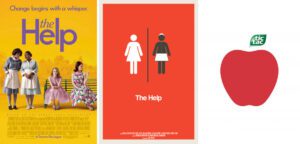
Like any out of home, keep the words minimal – or the image self-explanatory, so anyone on a fixie to Brunswick or staring out the window on the Richmond line can take it in in seconds, get it, nod in appreciation of your design genius, and carry on. It’s like thinking about the best one-liner you can. Google Steven Wright for inspiration. Or only use the simplest visual to explain your brand or product. This movie poster example for The Help is a great example. LHS – ho hum/expected. RHS – rocks. And this Tic Tac designer and client rock. No pack shot, no “Now available in Juicy Apple”. Just this. Genius.
Rock it like Winston.
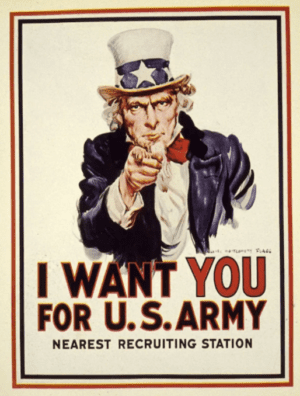
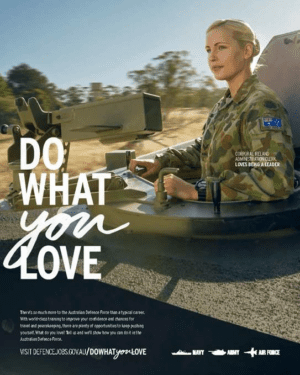
There’s a great Winston Churchill quote: “If I had more time I would have written you a shorter letter”. Because being concise is hard. It takes time. And effort. This especially applies to great posters. Because it’s easy to put everything in we’ve been asked to – then make it all look nice – headline, a paragraph of copy explaining the headline, an image, some logos, and another one just because – and then make them bigger.
But it takes more time to pull everything apart, and out, and simplify, simplify simplify – and think long and hard about the best and most simple way to say the ONE thing we’re trying to tell people here, in a few seconds of their time, in an as impactful way as possible, leaving them in no doubt what we’re asking them to do.Like this genius example.
It almost makes me want to fight for the US. And hate them.
Versus the second – which doesn’t make me want to kill people like the other one.
Now go Rock it ✌
Ant Keogh
Chief Creative Officer

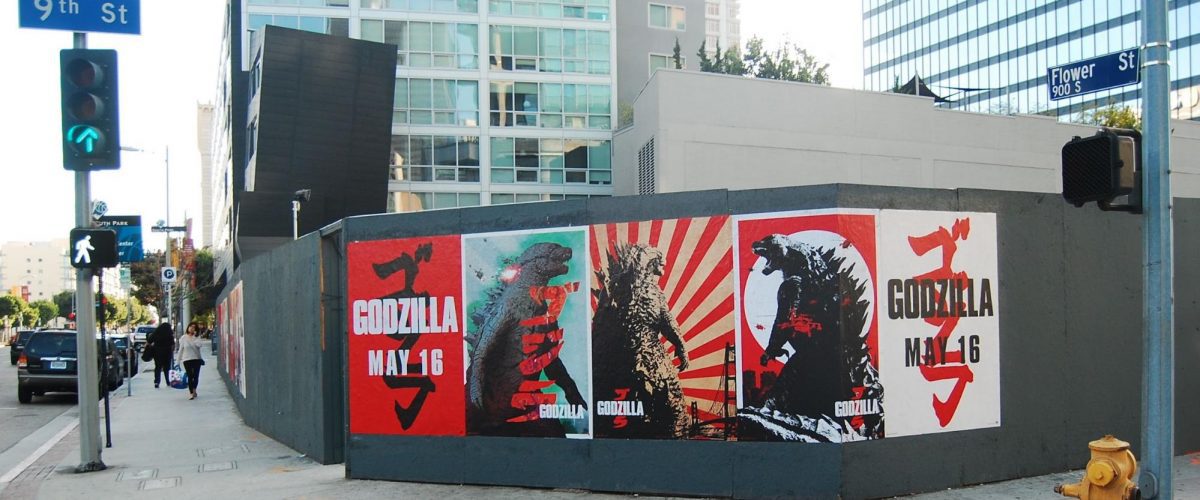
Firstly, Impact
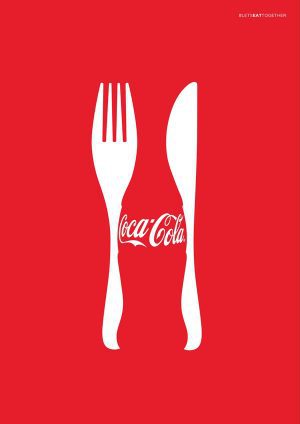
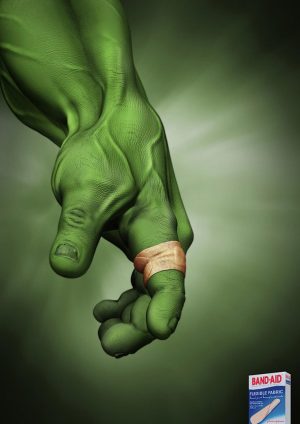
Street posters have an energy about them. After all, they’re out there in the street. They’re literally down with the people. Transient and immediate. Of the moment. At best, they seem part of street culture itself.
So when we design street posters we want to go with that energy. They’re a chance to be bold, imaginative, sassy, maybe a bit rough around the edges.
I’m going to generalise here in the interest of creating some guidelines, but really, of course, there are no rules. Maybe, in this medium, the more you break them the better. I’m also going to limit this discussion to more of an advertising context where a commercial message is imparted rather than a movie or music-poster context.
Perhaps the most important aspect of street poster design – essentially visual communication meant to be read at a distance, maybe as you’re speeding past – is to create impact and communicate quickly.
How do we do that?
Well, a lot of impact comes from your idea itself but i’m going to assume you have a great idea – so let’s talk more about graphic design elements here.
Essentially, great poster design is usually about reductionism and contrast.
You want to let something win. Is it a headline driven poster? Well, make the headline huge and the picture small (or non existent). A visual poster? Make the visual the whole poster. Any words can be small (though legible).
Minimalism is your friend here. Keep taking out elements until the poster doesn’t work anymore to find out everything you don’t need. My ideal poster would be a picture and a logo. Or maybe a picture where the logo was incorporated in the poster. Sometimes the logo can act as your headline.
Now What About Communicating Quickly?
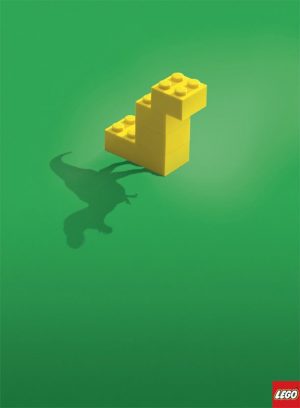

Obviously, fewer words helps. Two or three word headlines are great. Sometimes that’s tricky and limiting and it’s worth having more but you want to keep it in check. It’s a balancing act of meaning versus simplicity.
A good rule of thumb is the headline shouldn’t repeat or double up exactly what the picture is doing. Otherwise you probably don’t need one of them. Instead, the picture should provide one half of the information and the words the other half.
You also want to be aware of a hierarchy of information, so the most important elements are the ones you see first, with subsequent design element less prominent in correlation with its importance and the order in which you want the viewer to understand it. For example sometimes you want the viewer to see the visual before the headline or the other way around. Sometimes you want the product shot or logo to be the last bit of information that provides the last puzzle piece in the story.
Of course you also want to check your poster works at a distance. Make a copy of it, stick it on a wall and stand well back to make sure it’s legible. There are all sorts of rules the creators of road signs use to make sure they achieve legibility at a distance, for example black type and symbols on yellow background are the most legible combination, followed by black type on white.
We don’t want to be this limited but it’s worth being considerate of how much contrast you have in your type and colour palette. Clashing colours like blue and red can create weird effects as can having colours with similar tonal values. Typefaces need enough weight to not get lost at a distance.

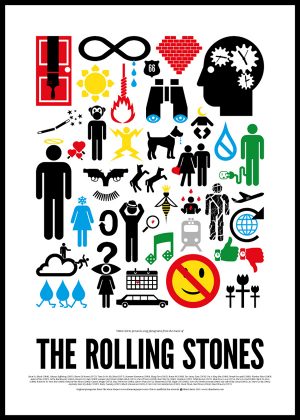
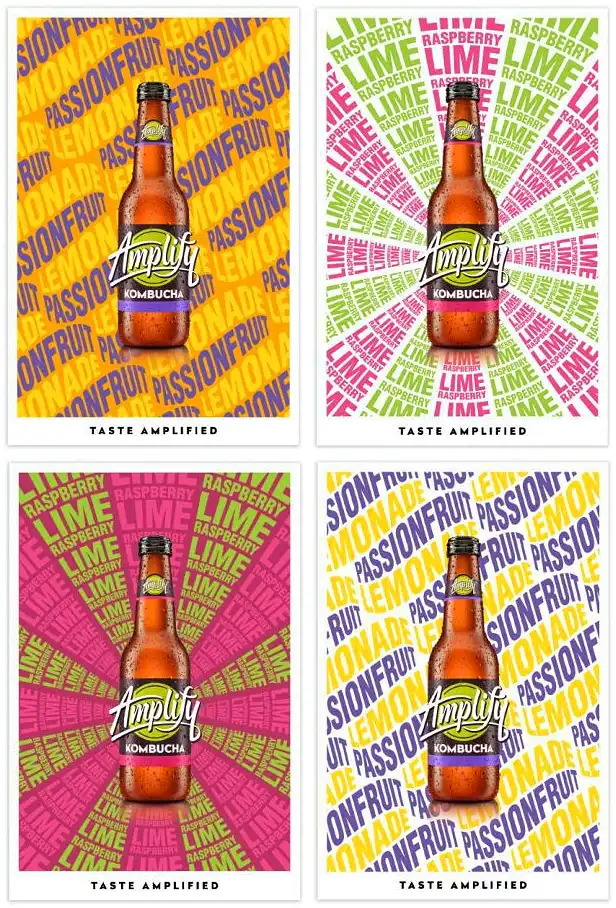
Many of the design principles I’ve spoken about are true for any poster or even print ad but the Rock Poster medium offers unique and creative opportunities. Street posters allow you to use repetition. Graphic shapes can create a great effect when they are repeated. Depending on your buy you can conceptualise your poster as a series rather than a single poster. Split your idea over two posters, for example an image on one and say a bottle shot on the other. If your design is distinctive enough they will hold together as one idea and can look great repeated.
Ben Coulson
Chief Creative Officer

How do you design a street poster?
Start by not making a fucking ad.
Street Posters are unique, they have heritage and soul. Before ads for pasta sauce started choking bridge pylons, street posters were for avant-garde bands, for rock and punk. They had edge and impact, cared little for the rules of corporate marketing, and they were brilliant. So don’t bring your brand’s guide book, think first of the medium and the audience’s expectations of it. And try to have a little soul, this isn’t a friendly medium for obvious and ugly advertising!
How do you design a poster of this size that may be consumed by one sitting on public transport, stuck in track in traffic, walking or cycling by any hour of the day?
Keep it simple, make it impactful. Choose one message you want to get across and focus only on that, don’t give in to the temptation to tell you brands life story. The design can be busy (even beautifully elaborate), but the messaging must be simple.
What makes your poster stand out from the rest?
Make it unexpected, make it intriguing. The goal should be a poster your audience want to steal, not just tolerate. Yes, there will always be a product, service, or event to sell. And yes the client will always want to see that from miles off, but this is a design medium, creativity and good design are your only chance not to suck.
Derek Van Der Hogen
Designer of the Rock Posters brand
(amongst many other things)

Have Fun!
Be concise
When designing a poster, less is more. Focus on what you want to communicate in simple terms. People only have a few seconds to absorb the information as they pass, make sure they do. Ask yourself what do I want people to do / takeaway from this and make sure that is clear.
Be bold
Bright colours, bold type and eye-catching imagery can capture people’s attention amongst the clutter. If you don’t stand out, you blend in. Make sure your design is visible from a distance.
Be inventive
Use the environment or the format to your advantage. If you can engage someone for longer by thinking outside the box they will remember you.